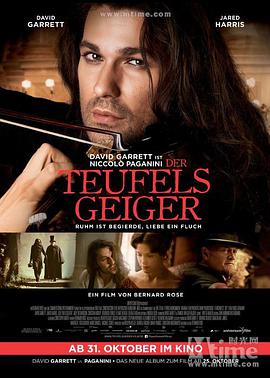
故事发生在1830年的欧洲,帕格尼尼(大卫·葛瑞特 David Garrett 饰)是一位风流成性但极富才华的小提琴演奏家,此时,帕格尼尼正处在职业的巅峰期,在经纪人乌尔巴尼(杰瑞德·哈里斯 Jared Harris 饰)的协助之下,帕格尼尼用自己的音乐征服了整个欧洲。
然而,个性古板而又保守的伦敦市民们却并不买帕格尼尼的账,于是,乌尔巴尼开始筹备起了帕格尼尼在伦敦的首演计划,为这个计划提供协助的,还有来自英国的经纪人约翰(克里斯蒂安·麦凯 Christian McKay 饰)和他的情妇伊丽莎白(维罗尼卡·费瑞尔 Veronica Ferres 饰)。一场意外让帕格尼尼不得不寄宿在约翰家中,在这里,帕格尼尼的“老毛病”发作了。
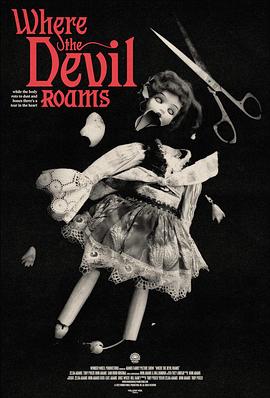
In film, carnivals tend to be sceneries prone to terror. That mysterious environment allows the Adams to play with the manias of Seven, Maggie and Eve, a family of carnies whose hobbies are presenting a show around the US and committing crimes all around the country during the Depression. When one of the killings goes wrong, young Eve is forced to steal a devilish artifact in o...
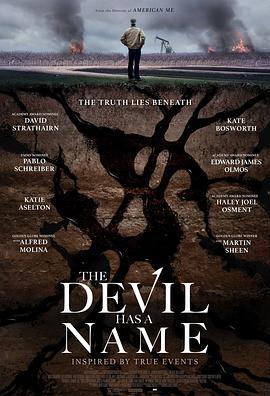
爱德华·詹姆斯·奥莫斯(《银翼杀手2049》《神盾局特工》)将自导自演一部新片《魔鬼有一个名字》(The Devil Has a Name),大卫·斯特雷泽恩(《黑名单》《哥斯拉》)也参演。该片定义为“一部有关环境的黑色喜剧”,真实故事改编,讲述一个精神错乱的石油大亨与一个固执的农场主展开激烈对峙,因农场的水遭到石油污染。斯特雷泽恩饰演农场主,奥莫斯饰演一位墨西哥移民和知己。Rob McEveety操刀剧本,True Navigator Media投资和制作。
7 minutes from now in Nogales, Arizona. Thomas Conrad's life will forever change when he gets caught up in a Mexican cartels poetic game of drug mule chess.
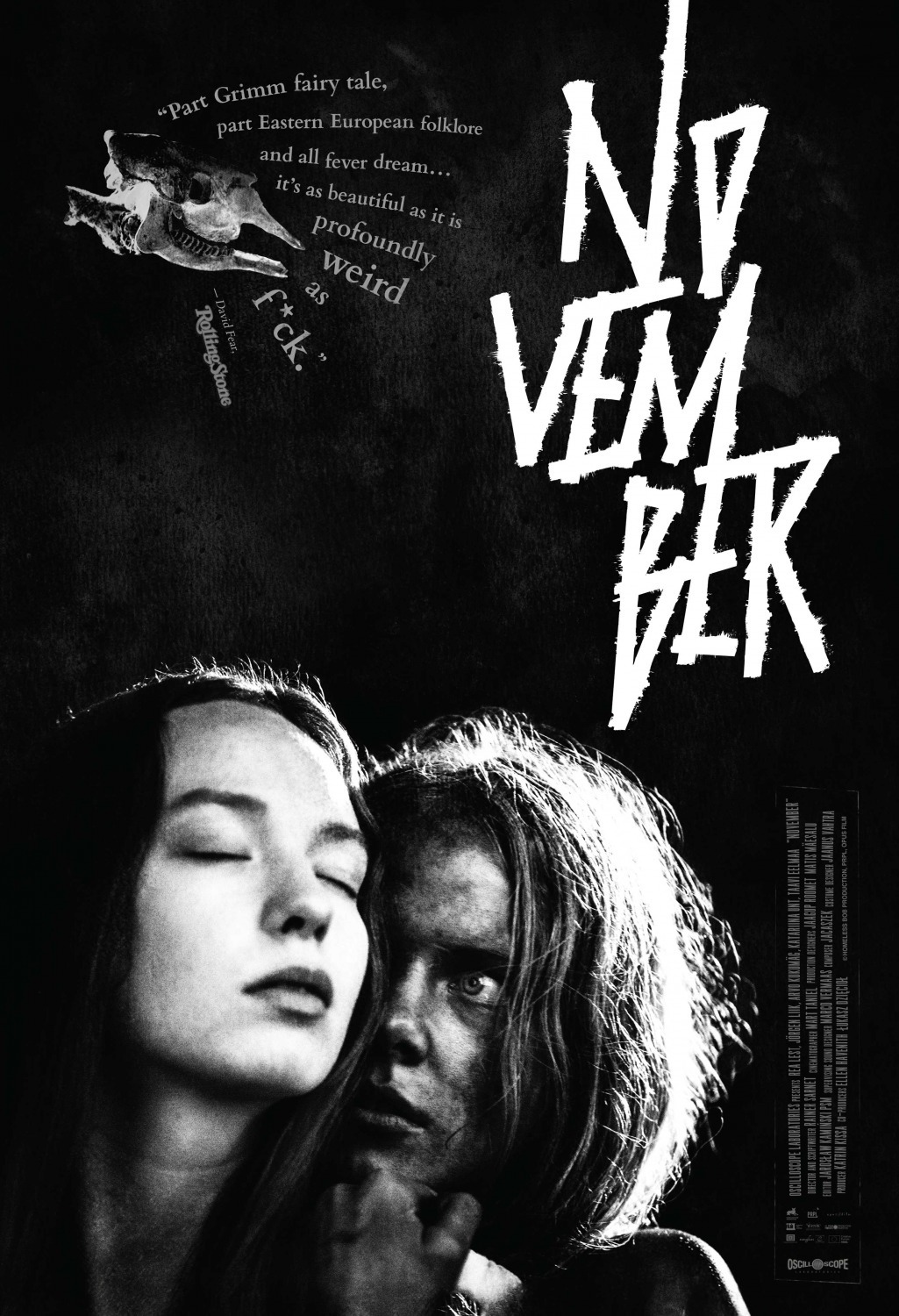
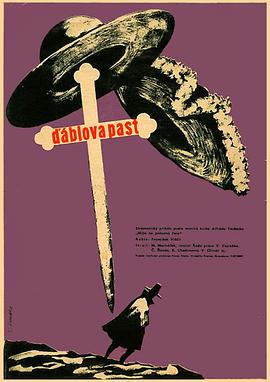
In the time of Counter-Reformation, a miller and his son come under investigation by a priest of the Inquisition, when rumors spread that their prosperity comes from working with the Devil.
The Devil's Trap is a film directed by František Vlá?il, based on a novel by Alfréd Technik, adapted by František A. Dvorák and Miloš Kratochvíl. It was the first of three historical dramas that Vlá?il made during the Czech New Wave (technically he isn't really a part of the New Wave, however these films were made during the same era of artistic freedom), preceding his more well known Marketa Lazarová (1967) and Valley of the Bees (1968).
Set in the late 16th Century during the Catholic Reformation, in the Moravian Karst, situated in what is now the Eastern Czech Republic, it tells the tale of a miller (Vítezslav Vejrazka), and his son Jan (Vít Olmer), who come under suspicion and are investigated by a Jesuit priest of the Inquisition (Miroslav Macháchek), when rumors of witchcraft are spread by the local regent (Cestmír Randa), who is jealous of the miller's prosperity and degree of respect among the local populace.
As expected from Vlá?il, this film is a stunning experience all the way through. From the opening shot, an ominous manipulation of perspective with a close up of a mangled figure of Christ dominating the foreground against a tiny figure in black walking along the horizon, to the breathtaking confrontational finale inside the vast stalactite filled Karst caverns, it is a wonderful display of visual mastery.
Maybe not quite as impressive as Marketa Lazarová, but still full of astonishing imagery. As seen from unique angles and distinct points of view which highlight the director's remarkable sense of awareness of framing, motion, and positioning on the emotional and dramatic tone of the scene. The most memorable being a repeated shot where the camera is suspended and launched with speed through the air towards the miller's door.
The story here is a simple one and I would say more accessible than his later works. With a conventional structure emphasized as much by its plot and characters, than by its expressionistic cinematography or authentic historical detail. The events play out without much surprise, and there is a strong underlying, almost supernatural, mysterious aspect that is left unresolved, in fact barely explored, which is slightly disappointing, but only because it's so fascinating that I wish there was more.
Acting is great all around. Particularly the villains: Miroslav Macháchek as the priest, casting a sinister and imposing shadow wherever he goes, and Cestmír Randa as the weasel like regent behind all the persecution. While Vít Olmer brings a charismatic leading man presence in his role as the miller's son Jan, in love with the lovely orphan girl Martina (Karla Chadimová), who becomes a dangerous object of rivalry between Jan and other young men of the village.
The film also features the evocative music of Zden?k Liška (perhaps the most prolific composer of the Czech New Wave). In this his second of eleven collaborations with Vlá?il, his compositions are used sparingly, but to great effect, complimenting but never overpowering a scene. The best example of which can be heard in an amazingly shot celebration and dance sequence at the end of the second act.
The Devil's Trap might not be a masterpiece, but it is still a strong effort, with a fascinating straightforward story and a glorious historical setting captured beautifully by Vlá?il's unmistakable visual prowess. A fine work that would also be the perfect starter plate to prepare yourself for the challenging feast of Marketa Lazarová or The Valley of the Bees. It even has an easy to digest running time. It's therefore puzzling why this gem remains largely overlooked and ignored.