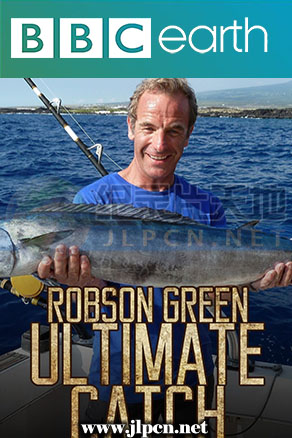
In this new series Robson Green pushes the angling boundaries further than ever before in search of the Ultimate Catch.
Travelling to incredible locations renowned for their fishing potential, at the perfect time in the angling calendar, Robson flies thousands of miles across the globe to be in the right place, with the right fishing guides, at exactly the right time. But even then its not going to be easy.
Thunderstorms, drought, high winds and flash floods all have their part to play, and Robson will have to use every ounce of his fishing know-how, combined with the local guides and legends, if he wants to hook into the Ultimate Catch. Hell be fishing for huge predators in the mid Atlantic, hunting from a canoe in a lush volcanic crater, sight-casting on mysterious rivers in deep jungles, and learning local techniques from indigenous fishermen. Hell be hunting down migratory giants, netting huge crabs, free-diving for a shape-shifting octopus, night-fishing for a huge catfish, and ...
The non-binary comedian Mae Martin speaks of a world that has gone off the rails. Among other things, Mae Martin mentions a mythical encounter with a moose and the gender spectrum in the story "Beauty and the Beast".
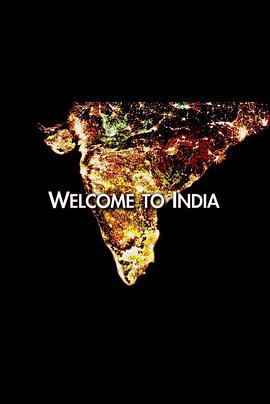
学习如何在日益拥挤的星球上生存也许是我们人类的终极挑战,但有一个地方,拥有的世界人口六分之一印度,人们却特别适应生活在这么拥挤的土地上。这个系列高清纪录片将带我们进入印度最密集的地区加尔各答和孟买,了解这里人们的生活现状及生存压力。
BBC 2012年播出,用3集记录印度的底层人如何在人多地少的环境中工作。印度现在有人口 12亿,占世界的六分之一,每个家庭都有很多孩子,对于穷人来讲,这可是一个很大的负担,看看印度人是如何在他们的国土上为了生活奋斗的。
Learning how to survive on an increasingly crowded planet is probably our ultimate challenge. But there is one place, home to over a sixth of the world's population, which is already making a good shot at adapting: welcome to India. This observational series casts aside the usual preconceptions about the sub-continent, and lets a few of India's 1.2 billion show how their world really works.
With astonishing access into the densest districts of Kolkata and Mumbai, it celebrates the impressive resourcefulness, resilience and absolute pragmatism of those living and working there, and reveals the psyche needed to get ahead in the biggest of crowds.
Part 1.
This episode follows two main characters as they employ all their ingenuity to carve out a home. With more people moving to cities in India than anywhere else on earth, securing that place you can call home is vital for nurturing your family's future.
Part 2.
Johora started out as a rag-picker, but through building a bottle recycling business on a railway embankment, she has big ambitions for her family of seven kids. And it is not just small waste. Kanye uses a blowtorch to cut up ships discarded by the rest of the world, helping satisfy India's thirst for steel. And Ashik buys up beef fat from the abattoir, and proudly renders it down to make tallow. It looks disgusting, even before he is plagued by a maggot infestation. But this thrifty use of 'waste' may well be destined for your soap or cosmetics.
Part 3.
With India destined to become the most populous nation on earth by 2026, you have got to be highly tactical in your search for a better life. It is not just about you and your dreams today - it is about the family over generations to come. Prakash and Mangesh are brothers in their early twenties from an illegal settlement surrounded by the buzz of downtown Mumbai. Prakash is deckhand on a yacht while striving to realise his dream and launch a Bollywood career. But his family make it clear his sole purpose is to earn enough to fund in their joint future: his brother Mangesh's course in software engineering. Swapan, a merchant in a hectic fish market, works so hard for his family's future that his wife knows he is ruining his health. And Sujit, who crafts disposable clay tea cups in Kolkata, hardly dares dream of seeing his family hundreds of miles away.
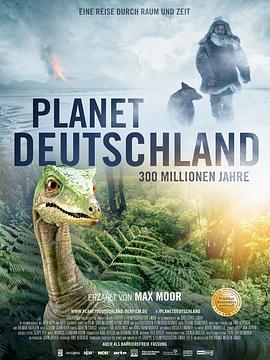
这是一场穿越欧洲大陆的旅行,也是一次跨越时间和空间的探险我们寻找古代海洋的蛛丝马迹,发掘热带雨林中的生物遗迹,探索高山之巅的神秘世界。旅途中,我们会与恐龙为伴,之后,还会邂逅尼安德特人,见证那些几乎毁灭一切的宇宙浩劫。我们将目睹猎手和猎物间的生死较量,揭秘欧洲大陆漫长的演化史。
第1集 恐龙时代 / 大裂变(Part 1: The Big Crash)
第2集 人类时代 / 我的人类星球(Part 2: Human Earth / My Human Earth)
解说:Mark Rossma